The OpenClaw Lobster Trade School: A Guide to Choosing Skills
The next step: your lobster is alive, now it's time for school. How do you choose its courses (skills)? 🥹
Translated by AI
The OpenClaw lobster trade school: a guide to choosing skills
The previous handbook, Choosing a Breed and Postnatal Care, was about “keeping your lobster alive first”. This one is about the next step: your lobster is alive, now it’s time for school. How do you choose its courses (skills)? 🥹
(“Lobster” is the Chinese internet nickname for an OpenClaw agent.)
Too few courses and your lobster is a blank slate that can’t do any work; too many and its “course load” gets too heavy: slower start-up, thicker context, higher costs, and skills that may conflict with each other until the lobster sulks and skips school 😂. So the problem usually isn’t any single skill but how the courses fit together without clashing. The core of this guide is how to build a structured, reasonably loaded timetable that actually gets work done.
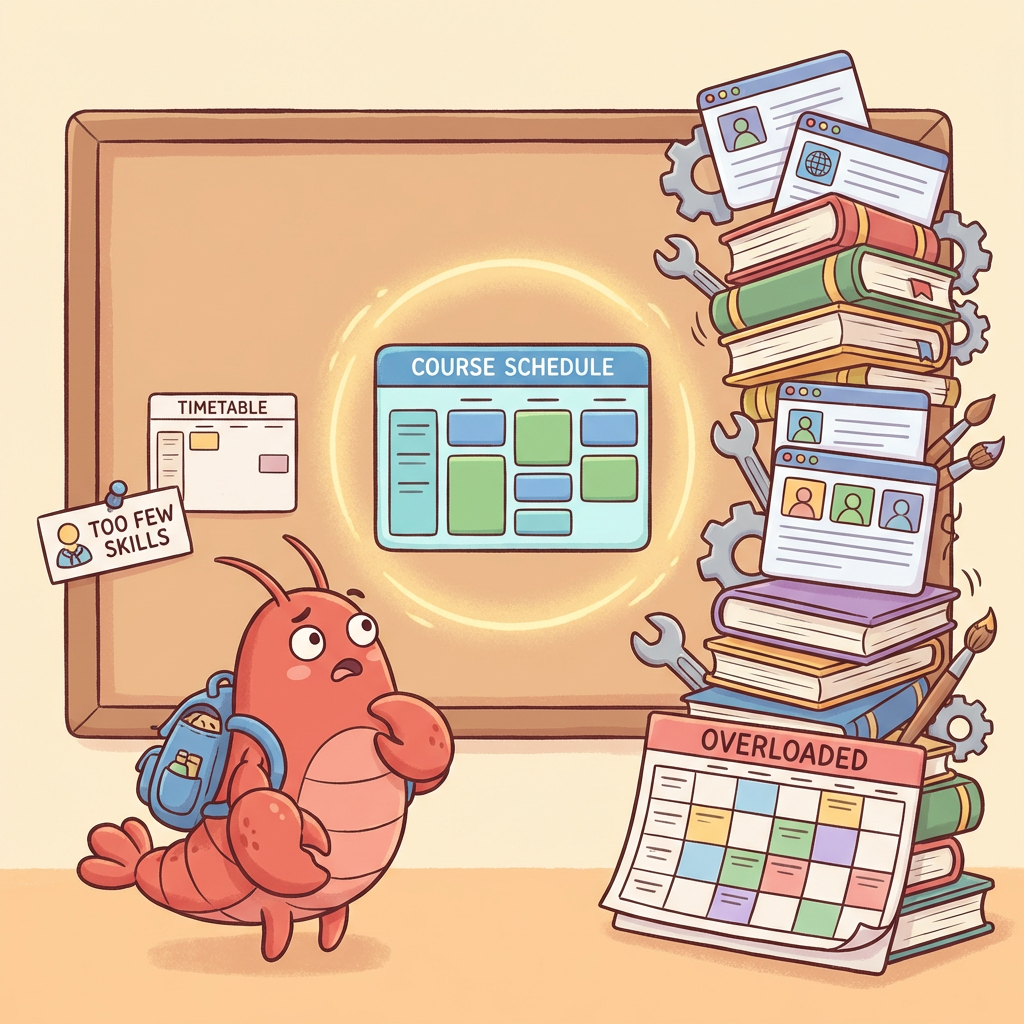
Figure 1 | Too few courses is a blank slate, too many crushes the schoolbag; what matters is a structured timetable.
1. Where to look up the timetable
First, the single most useful move: if you want your lobster to learn a skill, find that skill’s public page and just send it the URL. It’ll go and learn it.
Also, many of the courses mentioned here are already built in as compulsory courses in some versions of 🦞, so there’s no need to choose them. And many skills are made by individuals and carry some risk, so be discerning when you pick 🧐.
There are two main places to find skills:
- ClawHub: good for quickly finding courses by purpose, name or scenario, a bit like a course-registration system.
- Awesome OpenClaw Skills: good for browsing systematically, scanning categories in bulk and finding inspiration, more like the master course catalogue.

Figure 2 | You can find courses through the “registration system” or the “master catalogue”.
2. Don’t rush for the popular courses; get the foundation courses right first
Foundation courses don’t look sexy, but they decide whether everything your lobster learns later stays in shape. Courses like find-skills, tavily-search, summarize, github and agent-browser essentially fill in the underlying abilities to search, look things up, browse and collaborate. Without them, later specialist courses easily become all form and no substance.
I’d also recommend two “meta-ability” courses: skill-creator and skill-vetter. The former represents “the ability to grow new abilities”; the latter is more like the registrar’s office before you enrol: it helps you avoid traps, duplicate courses and courses that fight each other. With solid foundations, things won’t fall apart later.
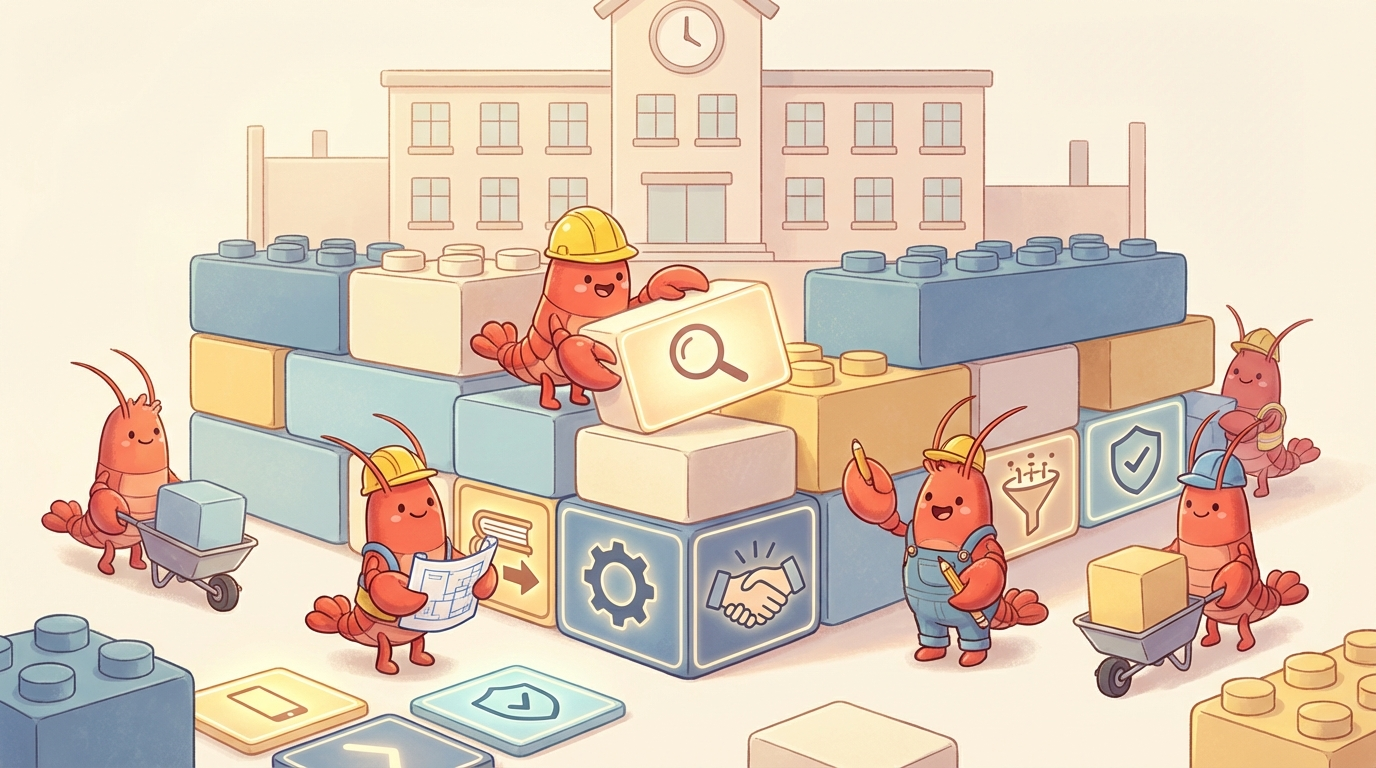
Figure 3 | Foundation courses don’t look sexy, but like foundations they decide whether the specialist courses collapse.
3. General-education courses don’t earn a diploma, but they decide whether your lobster can work long term
Some courses don’t look like “vocational training”, but they matter a great deal in the long run. openclaw-logfire handles observability and troubleshooting; self-improving-agent, proactive-agent and task-resume handle self-motivation, continuing work and resuming tasks from checkpoints; and nblm is like giving your lobster training in “do your research before you speak”.
Their value is that your lobster doesn’t just answer; it keeps working, reviews itself and corrects mistakes. Once your lobster actually starts doing shifts, you’ll find that what’s really scarce is stability.
4. Specialist schools: the same lobster only becomes a different kind of worker after it picks a school
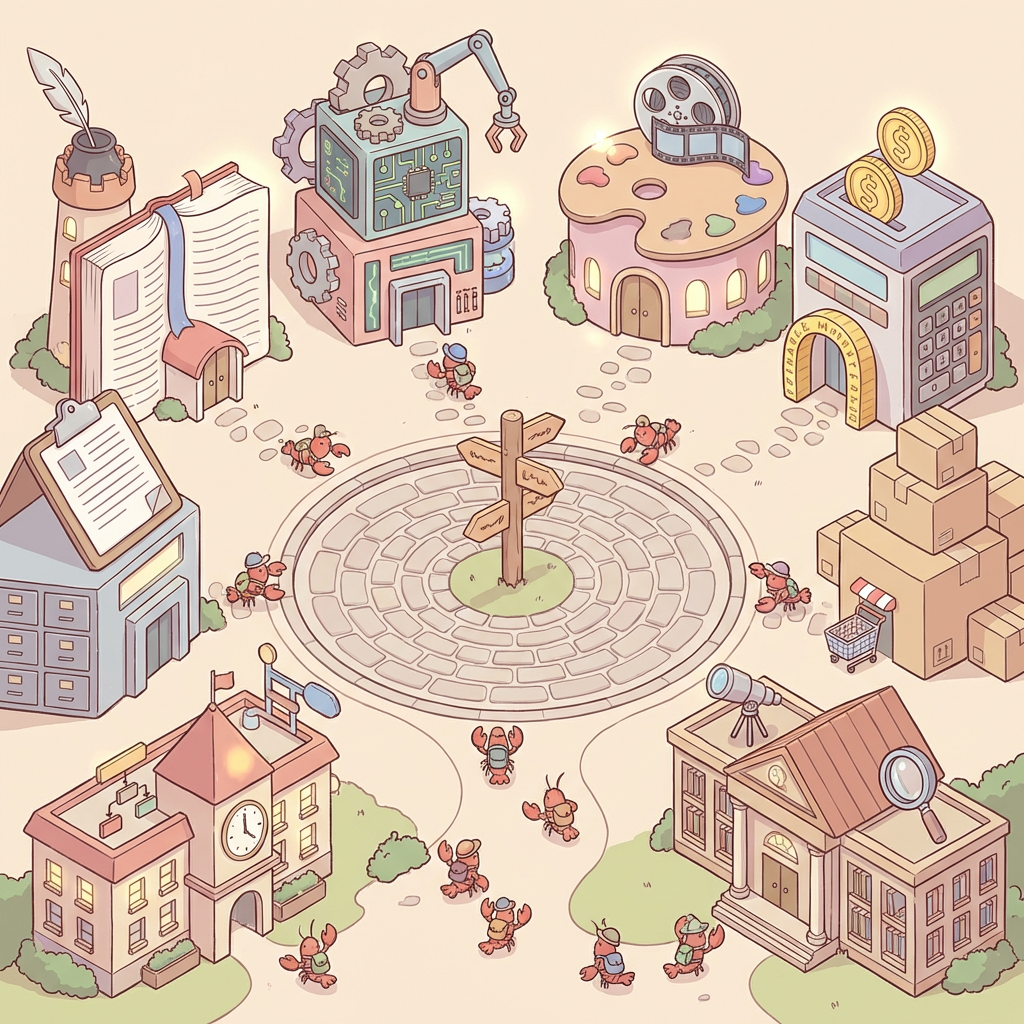
Figure 4 | Once it picks a school, the same lobster heads down a completely different career path.
1) School of Documents and Office Work
If you want your lobster to start in the most common office scenarios, the courses to take are: office, excel-workflow, docx, ppt-ooxml-tool, powerpoint-pptx, briefing, feishu-doc, boof.
What they share is simple: handling spreadsheets, editing documents, reading PDFs, making slides and turning scattered information into briefings. office and powerpoint-pptx cover common office scenarios; excel-workflow, docx and ppt-ooxml-tool are for targeted operations; feishu-doc suits collaboration in China; briefing is training in compressing scattered material into a one-pager; and boof can be seen as a supplementary course in handling documents and file flows.
2) School of Administration and Executive Assistance
The most valuable ability in admin and executive-assistant roles isn’t “replying like a human” but “closing the loop on scattered tasks”. So here I’d keep email-autoreply, coordinate-meeting, meeting-notes, meeting-to-action and feishu-wiki.
Emails, meetings, minutes, action items: none of these is advanced on its own, but strung together they make a real workstation. email-autoreply handles frequent back-and-forth, coordinate-meeting handles scheduling, meeting-notes handles records, meeting-to-action closes things out, and feishu-wiki handles long-term knowledge.
Many lobsters are clever in chat but drop the ball as soon as they enter admin work. The problem usually isn’t comprehension but the lack of an ability to close loops.
3) School of Content and Communications
Content work is easily misunderstood as “just being able to write”. In fact the hard part was never a single piece of writing but continuously finding topics, producing, distributing and repurposing. So here I’d keep content-research, blog-writer, writing-assistant, ghost-cms, blogburst, blogwatcher, nblm and nano-banana-pro.
Together they form a complete chain: blogwatcher watches topic sources, content-research prepares material, nblm provides the knowledge base, writing-assistant and blog-writer produce drafts, ghost-cms and blogburst handle publishing and repurposing, and nano-banana-pro adds the ability to produce finished visuals.
Writing one piece isn’t hard. Steadily finding topics, writing, publishing and repurposing is what earns a place in the class.
4) School of Programming and R&D
What an engineering lobster should fear most isn’t being unable to talk, but only being able to talk. What matters here is putting the lobster back into real development, not letting it hold forth in the group chat. So I’d keep github, openclaw-cursor-codex-connect, clawd-docs-v2, subagent-driven-development, playwright-skill, mcporter and tmux.
In this set, github is the gateway to repositories, openclaw-cursor-codex-connect connects to editors and the development chain, clawd-docs-v2 handles looking up documentation, subagent-driven-development handles division-of-labour development, playwright-skill handles testing, mcporter connects external MCP tools, and tmux handles interactive CLIs and remote shifts.
A truly valuable engineering lobster isn’t one that explains beautifully, but one that keeps delivering in the right project.
5) School of Design and Multimedia
A word of honesty about this school first: design is an aristocratic major 🥹. Generating images, audio, video and 3D mostly means calling external APIs, and over time the costs aren’t low.
If you really need this direction, look at nano-banana-pro, ComfyUI_Skills_OpenClaw, agent-media, ace-music and 3d-model-generation.
I’d be restrained here: don’t try to take them all; choose one major and two electives. For most people, starting with nano-banana-pro is enough; if you care more about controllable workflows, add ComfyUI_Skills_OpenClaw; if you need audio, add ace-music; for more complete multimedia delivery, look at agent-media; and add 3d-model-generation only if you really need 3D.
These courses take your lobster from “can write” to “can produce finished design work”. But if you’re just trying it out, don’t sign up for visuals, audio, video and 3D all at once, or the bill will graduate before the portfolio does.
6) School of Finance and Intelligence
If you’re raising a shift-working, market-watching, information-flow lobster, the direction is completely different. This school suits finance-news, fund-news-summary, allstock-data, tradingview-screener, portfolio-watcher and nblm.
This set is more of a research chain and tracking chain. It doesn’t place bets for you; it connects information gathering, screening, monitoring and portfolio observation. finance-news and fund-news-summary handle news intake, allstock-data and tradingview-screener handle data and screening, portfolio-watcher handles long-term observation, and nblm makes conclusions more like “a judgement after doing the research” than a guess.
A common misunderstanding about “investment AI” is that it should give you direct buy and sell answers. What’s usually valuable is doing the research and monitoring properly first.
7) School of E-commerce Operations
E-commerce is another very practical direction. The core isn’t “being good at marketing talk” but keeping a long-term eye on competitors, prices and users. So here I’d keep competitor-analysis-report, amazon-competitor-analyzer, ecommerce-price-watcher and jtbd-analyzer.
They solve very concrete problems: watching competitors, prices, demand and product opportunities. competitor-analysis-report is general competitor analysis, amazon-competitor-analyzer is platform-specific, ecommerce-price-watcher handles continuous tracking, and jtbd-analyzer adds a structured understanding of “why users actually buy”.
8) School of Project Management
What project management fears most isn’t being unable to think, but thinking a lot while nothing moves forward. So here I’d keep natural-language-planner, task-orchestra, cairn-cli, task-resume and meeting-to-action.
natural-language-planner breaks natural-language requirements into steps, task-orchestra orchestrates multiple tasks, cairn-cli is more of a project-driving tool, task-resume resumes from checkpoints, and meeting-to-action closes the loop from meetings to action items.
These courses won’t necessarily make your lobster “look the smartest”, but they let it break tasks down, schedule them, push them forward and close them out. For many teams, that matters far more than another lobster that’s good at chatting.
9) School of Research and Information
If you want a research lobster, the point isn’t how well it searches but whether it can turn material into judgement. So I’d keep nblm, agent-deep-research, autonomous-research, research-report, truthcheck and feishu-wiki.
The logic is clear: search, organise, verify, then write. agent-deep-research and autonomous-research are for long-chain research tasks, research-report handles structured output, truthcheck handles verification, and nblm and feishu-wiki provide the knowledge base and its structure. Being able to search isn’t a skill in itself; compressing material into structure and forming a judgement is what research ability means.
5. Plan the timetable by lobster type; don’t throw everything in one pot
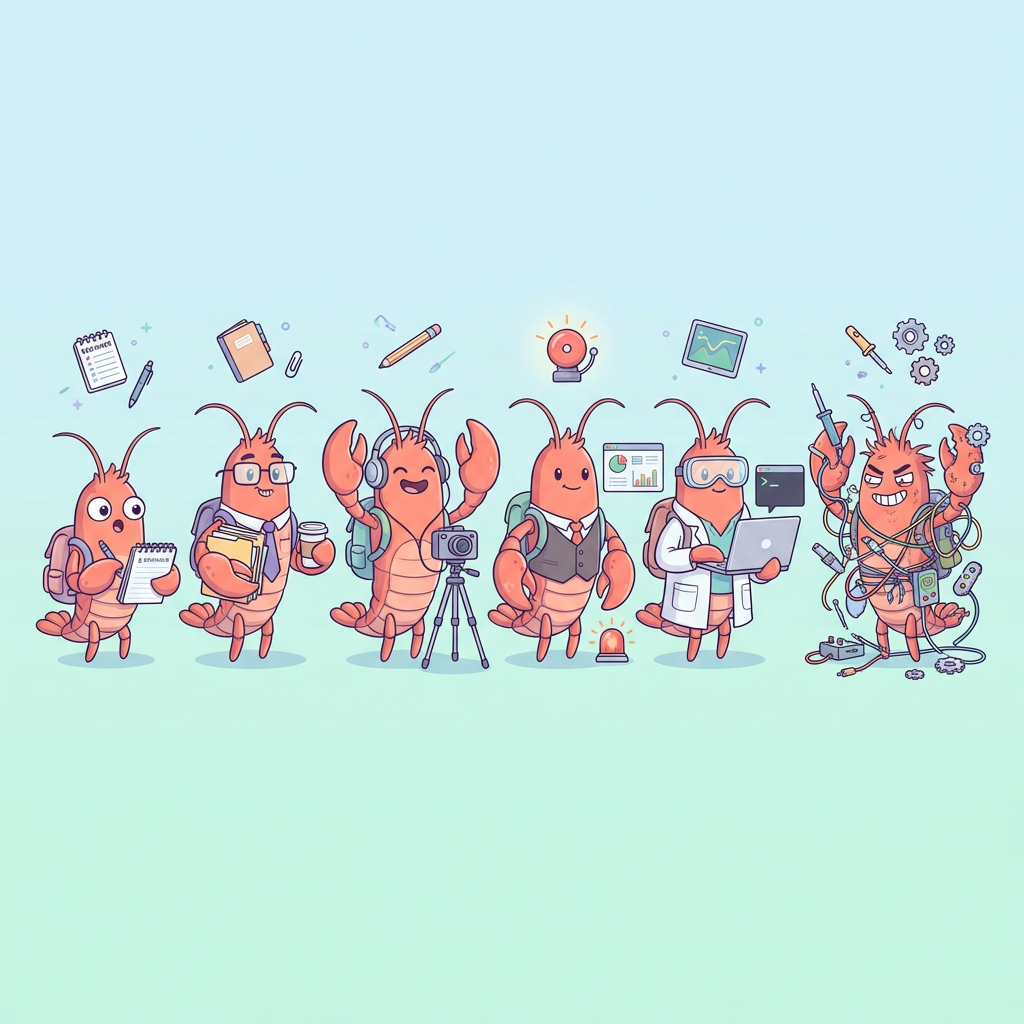
Figure 5 | Curious, clerical, content, shift-working, engineering and tinkering lobsters shouldn’t share a temperament or a timetable.
The curious lobster
Give it the minimum timetable: 2–3 foundation courses plus one light work course is enough. For example github + blogwatcher + feishu-doc, or find-skills + tavily-search + briefing. The goal isn’t graduation; it’s getting it moving.
The clerical lobster
Go with the School of Documents and Office Work plus the School of Administration and Executive Assistance. Focus on office, docx, excel-workflow, powerpoint-pptx, meeting-notes and meeting-to-action. This lobster should first learn to catch the odd jobs of a real workstation.
The content lobster
Go with the School of Content and Communications, then decide on design courses according to budget. A core combination could be blogwatcher, content-research, writing-assistant, blog-writer, nblm and ghost-cms. For visual work, add nano-banana-pro or ComfyUI_Skills_OpenClaw.
The shift-working lobster
Suited to finance, research and project management. Focus on courses like finance-news, portfolio-watcher, task-orchestra, research-report and truthcheck. It doesn’t have to be the most articulate, but it should be the most stable.
The engineering lobster
Go with the School of Programming and R&D, focusing on github, openclaw-cursor-codex-connect, playwright-skill, mcporter and subagent-driven-development. This lobster isn’t short of intelligence; what it lacks is the ability to enter the real development chain.
The tinkering lobster
This is the lobster most likely to study itself into uselessness. My advice: pick a major first, then think about cross-school electives. Get one main chain working, then layer other courses on top. Otherwise you get the classic outcome: a pile of skills installed, a little of everything known, and nothing that looks like anyone when it’s time to deliver.
6. The school motto: choose your major first, then your courses
What this guide really wants to say is simple. Skills matter, of course, but more skills are never automatically better. A bloated timetable makes your lobster slower, pricier and more confused. Truly experienced keepers don’t sign up for every popular course on the leaderboard; they first think clearly about what they actually want this lobster to do.
If you want it to be the backbone of the office, take documents, spreadsheets, slides and meetings. If you want it to make content, take topic-finding, writing, publishing and repurposing. If you want it to do research, take search, verification and reports. If you want it in development, bring it back into repositories, documentation and collaboration flows.
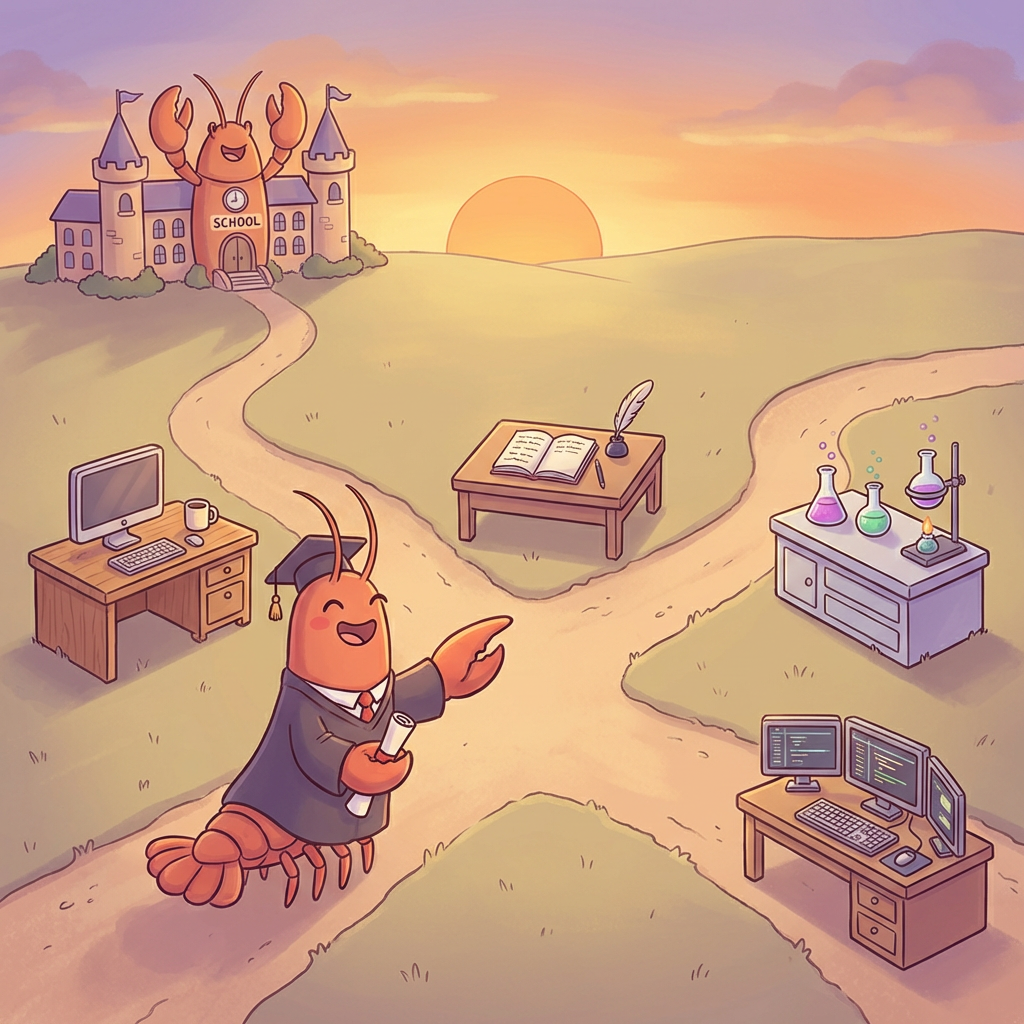
Figure 6 | What matters most at graduation isn’t having taken every popular course, but knowing which road you’re taking.
So the core of timetable management is: don’t first ask which skill is hottest; ask what kind of worker you want this lobster to become.
Appendix 1: Where to find the timetable
- ClawHub: https://clawhub.com
- GitHub (Awesome OpenClaw Skills): https://github.com/VoltAgent/awesome-openclaw-skills
Appendix 2: Index of the skills mentioned
Foundations and general education
find-skills— https://clawhub.ai/skills/find-skillstavily-search— https://clawhub.ai/skills/tavily-searchsummarize— https://clawhub.ai/skills/summarizegithub— https://clawhub.com/skills/githubagent-browser— https://github.com/openclaw/skills/tree/main/skills/murphykobe/agent-browser-2/SKILL.mdskill-creator— https://clawhub.com/skills/skill-creatorskill-vetter— https://clawhub.ai/skills/skill-vetter
General competence
openclaw-logfire— https://github.com/chenbaiyujason/openclaw-logfireself-improving-agent— https://clawhub.ai/skills/self-improving-agentproactive-agent— https://clawhub.ai/skills/proactive-agenttask-resume— https://github.com/openclaw/skills/tree/main/skills/richardsun700/task-resume/SKILL.mdnblm— https://clawhub.com/skills/nblm
School of Documents and Office Work
office— https://clawhub.com/skills/officeexcel-workflow— https://github.com/openclaw/skills/tree/main/skills/amaialex/excel-workflow/SKILL.mddocx— https://github.com/openclaw/skills/tree/main/skills/seanphan/docx/SKILL.mdppt-ooxml-tool— https://github.com/openclaw/skills/tree/main/skills/jason2be/ppt-ooxml-tool/SKILL.mdpowerpoint-pptx— https://clawhub.com/skills/powerpoint-pptxbriefing— https://github.com/openclaw/skills/tree/main/skills/lstpsche/briefing/SKILL.mdfeishu-doc— https://clawhub.com/skills/feishu-docboof— https://github.com/openclaw/skills/tree/main/skills/chiefsegundo/boof/SKILL.md
School of Administration and Executive Assistance
email-autoreply— https://github.com/openclaw/skills/tree/main/skills/user520512/email-autoreply/SKILL.mdcoordinate-meeting— https://github.com/openclaw/skills/tree/main/skills/mkelk/coordinate-meeting/SKILL.mdmeeting-notes— https://github.com/openclaw/skills/tree/main/skills/user520512/meeting-notes/SKILL.mdmeeting-to-action— https://clawhub.com/skills/meeting-to-actionfeishu-wiki— https://clawhub.com/skills/feishu-wiki
School of Content and Communications
content-research— https://github.com/openclaw/skills/tree/main/skills/hazy2go/content-research/SKILL.mdblog-writer— https://github.com/openclaw/skills/tree/main/skills/tomstools11/blog-writer/SKILL.mdwriting-assistant— https://github.com/openclaw/skills/tree/main/skills/urrrich/writing-assistant/SKILL.mdghost-cms— https://github.com/openclaw/skills/tree/main/skills/chrisagiddings/ghost-cms/SKILL.mdblogburst— https://github.com/openclaw/skills/tree/main/skills/shensi8312/blogburst/SKILL.mdblogwatcher— https://clawhub.com/skills/blogwatchernblm— https://clawhub.com/skills/nblmnano-banana-pro— https://clawhub.com/skills/nano-banana-pro
School of Programming and R&D
github— https://clawhub.com/skills/githubopenclaw-cursor-codex-connect— https://github.com/chenbaiyujason/openclaw-cursor-codex-connectclawd-docs-v2— https://github.com/openclaw/skills/tree/main/skills/aranej/clawd-docs-v2/SKILL.mdsubagent-driven-development— https://github.com/openclaw/skills/tree/main/skills/zlc000190/subagent-driven-development/SKILL.mdplaywright-skill— https://clawhub.com/skills/playwright-skillmcporter— https://clawhub.com/skills/mcportertmux— https://clawhub.com/skills/tmux
School of Design and Multimedia
nano-banana-pro— https://clawhub.com/skills/nano-banana-proComfyUI_Skills_OpenClaw— https://github.com/HuangYuChuh/ComfyUI_Skills_OpenClawagent-media— https://github.com/openclaw/skills/tree/main/skills/nevo-david/agent-media/SKILL.mdace-music— https://github.com/openclaw/skills/tree/main/skills/fspecii/ace-music/SKILL.md3d-model-generation— https://github.com/openclaw/skills/tree/main/skills/eftalyurtseven/3d-model-generation/SKILL.md
School of Finance and Intelligence
finance-news— https://github.com/openclaw/skills/tree/main/skills/kesslerio/finance-news/SKILL.mdfund-news-summary— https://github.com/openclaw/skills/tree/main/skills/yonghaozhao722/fund-news-summary/SKILL.mdallstock-data— https://github.com/openclaw/skills/tree/main/skills/hacksing/allstock-data/SKILL.mdtradingview-screener— https://github.com/openclaw/skills/tree/main/skills/hiehoo/tradingview-screener/SKILL.mdportfolio-watcher— https://github.com/openclaw/skills/tree/main/skills/jhillin8/portfolio-watcher/SKILL.mdnblm— https://clawhub.com/skills/nblm
School of E-commerce Operations
competitor-analysis-report— https://github.com/openclaw/skills/tree/main/skills/seanwyngaard/competitor-analysis-report/SKILL.mdamazon-competitor-analyzer— https://github.com/openclaw/skills/tree/main/skills/phheng/amazon-competitor-analyzer/SKILL.mdecommerce-price-watcher— https://github.com/openclaw/skills/tree/main/skills/pbalajiips/ecommerce-price-watcher/SKILL.mdjtbd-analyzer— https://github.com/openclaw/skills/tree/main/skills/artyomx33/jtbd-analyzer/SKILL.md
School of Project Management
natural-language-planner— https://github.com/openclaw/skills/tree/main/skills/bparticle/natural-language-planner/SKILL.mdtask-orchestra— https://github.com/openclaw/skills/tree/main/skills/tobisamaa/task-orchestra/SKILL.mdcairn-cli— https://github.com/openclaw/skills/tree/main/skills/gregoryehill/cairn-cli/SKILL.mdtask-resume— https://github.com/openclaw/skills/tree/main/skills/richardsun700/task-resume/SKILL.mdmeeting-to-action— https://clawhub.com/skills/meeting-to-action
School of Research and Knowledge
nblm— https://clawhub.com/skills/nblmagent-deep-research— https://github.com/openclaw/skills/tree/main/skills/24601/agent-deep-research/SKILL.mdautonomous-research— https://github.com/openclaw/skills/tree/main/skills/tobisamaa/autonomous-research/SKILL.mdresearch-report— https://github.com/openclaw/skills/tree/main/skills/huaruoji/research-report/SKILL.mdtruthcheck— https://github.com/openclaw/skills/tree/main/skills/baiyishr/truthcheck/SKILL.mdfeishu-wiki— https://clawhub.com/skills/feishu-wiki